“Environmental protection data” of a bottle of soy sauce
Corporate NewsTo undertake the responsibility of tackling climate change in the new stage of high-quality economic development of China, general secretary put forward carbon peaking and carbon neutrality goals to be reached in the year 2030 and 2060. On July 10th, Ministry of Ecology and Environment reviewed and approved 5 national ecology and environment standards including Guideline on Available Techniques of Pollution Prevention and Control for Condiment and Fermented Product Manufacturing Industry. This indicates strict new standard of environmental protection for condiment industry.
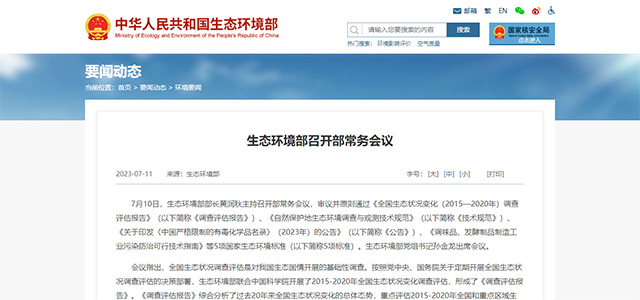
“New National Standard” of environmental protection for condiments industry Source: the upgrade of environmental protection in official website of Ministry of Ecology and Environment corresponds with the recently hot environment part in ESG report. ESG is the abbreviation of Environmental, Social and Governance. ESG report investigates the sustainable development ability of enterprises in social dimension.
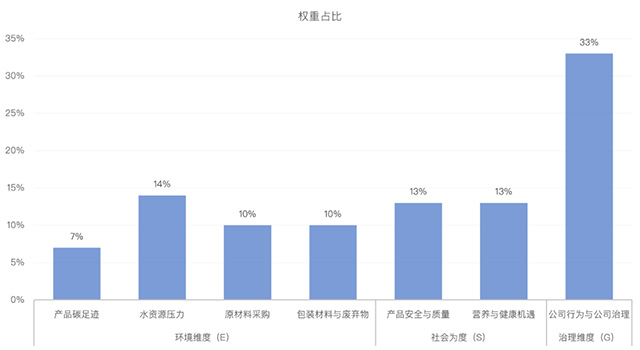
The weight of ESG parts Apart from "unconditional quality strategy", "sustainable development" is one of the core strategies of Shinho. As for food enterprises, it is not the only mission to provide trustworthy products to customers. A bright and green future is also important and shall be considered for later generations. In the statistics of "the carbon footprint of Shinho", 53.7 billion tons of greenhouse gases were discharged in the whole world in 2017 and carbon dioxide accounted for 75.2%. The hazard brought by carbon dioxide is influencing our life more and more, including high temperature weather, melting glaciers, sea level rise etc. By searching information, I find one big tree can absorb 16kg carbon dioxide in one year. How many trees in how many years can absorb 53.7 billion tons of carbon dioxide?
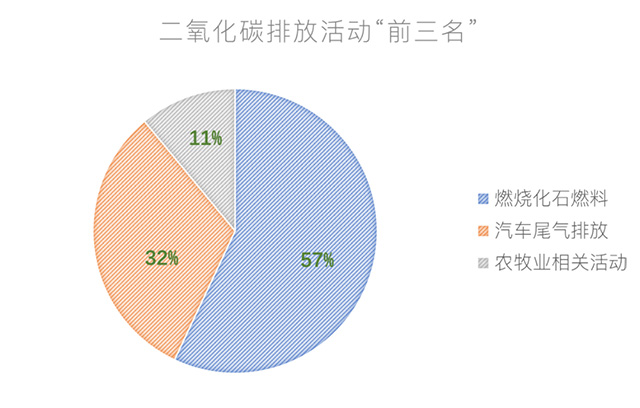
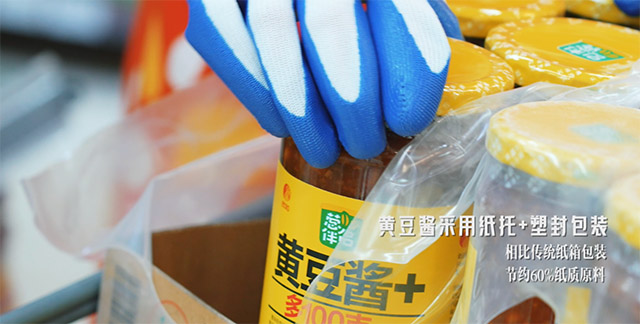
Top 3 human activities with most carbon dioxide discharge In comparison with other industries, the pollution of food enterprises comes from packing waste treatment and wastewater discharge. Therefore, we have taken the following actions: About packing, we use pulp tray + plastic package to replace traditional carton. This can not only better protect products but also reduce the use of paper materials for 60%. 900g CONG BAN LV Soybean Paste.
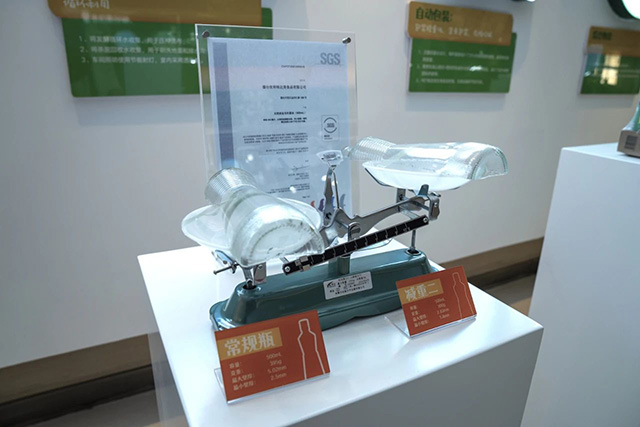
The bottle of LIU YUE XIAN is lightened for 30%. The use of 25% raw material of glass bottle and 40% raw coal can be reduced every year. In this way, discharge of 4,700 tons of carbon dioxide, 40 tons of sulfur dioxide and 12 tons of oxynitride can be reduced. LIU YUE XIAN Less Salt series uses two-tone integrated cover to replace traditional rubber cap, which can reduce about 5 tons of plastic every year and discharge of about 15 tons of carbon dioxide.
Besides, we have lightened the bottle (made of PET (a kind of plastic)) of WEI DA MEI and 10% PET is reduced, which indicates about 13 thousand tons of carbon dioxide are reduced. The labels of Hona organic products are made of recycled paper. One ton of waste paper can be used to produce 850kg new paper, which means saving 17 big trees, 100 tons of water, 1.2 tons of coal and 600 kilowatt-hours of electric power. At the same time, 35% water pollution can be reduced.
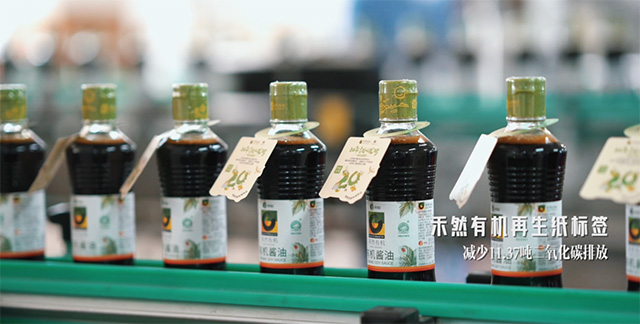
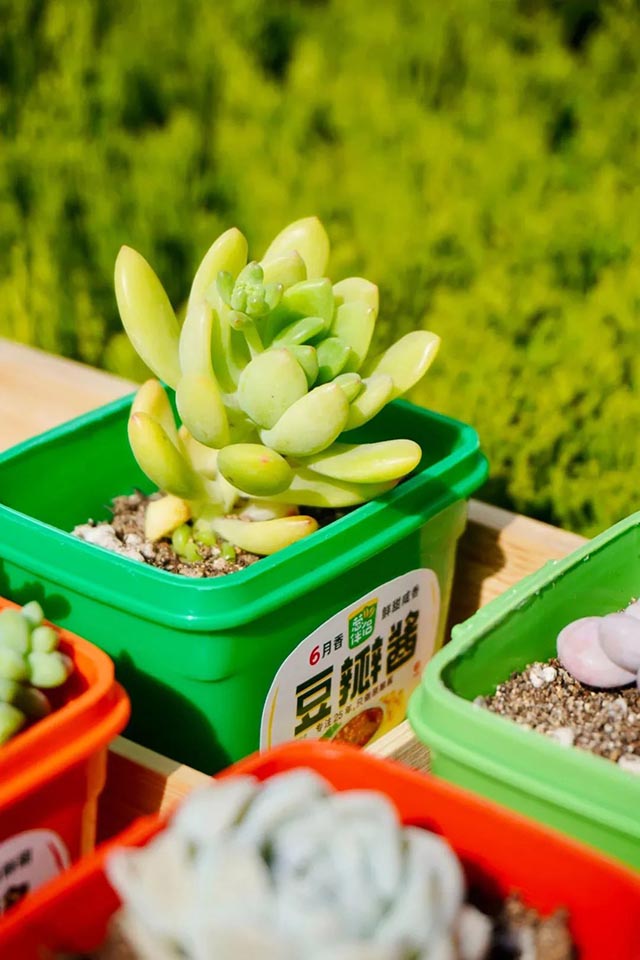
Do you know a fact: In the calculation of Greenpeace, 11.37 tons of carbon dioxide can be reduced if 1 ton of 100% recycled paper replaces 1 ton of all-wood paper in practical use. Besides, Shinho advocates to recycle external packing of products. For example, the box of CONG BAN LV Liu Yue Xiang Soybean Paste can be used for planting or storing Chinese pepper and aniseed; the bottle of LIU YUE XIAN Less Salt Soy Sauce can be used to grow flowers.
About wastewater treatment: The full-automatic CIP application-oriented project developed by Shinho can recycle 90% cleaning water and reduce 50% waste discharge in the premise of guaranteeing product quality. This greatly relieves the pressure of wastewater treatment in factory.
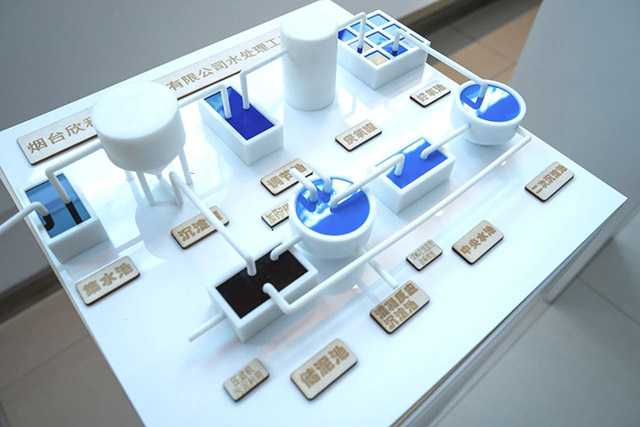
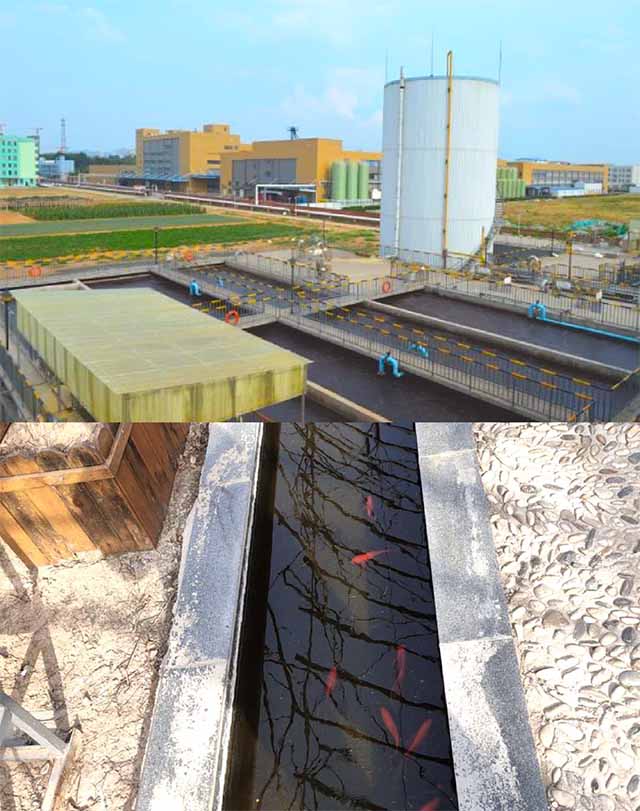
Wastewater treatment diagram Besides, our factory strictly performs standard Integrated Wastewater Discharge Standard for Basin Part 3: Xiaoqing River Basin (DB37/3416.3-2018) all the time, using advanced "anaerobic-aerobiotic-Fenton technology" for wastewater treatment. About 20% treated up-to-standard wastewater is recycled to clean equipment, supply heat, farm fish and save clean water; then the water is discharged to city pipe network.
About raw materials: To conserve lucid water and lush mountains, we always thought about the method of producing healthy, green and organic products at the beginning of design and production. In 2002, we began organic soy sauce fermentation resolutely and determinedly before "organic" concept emerged in China. Up to now, we have maintained that for more than 20 years. This is not for the purpose of authentication or business benefit but our heart of awe to the nature.
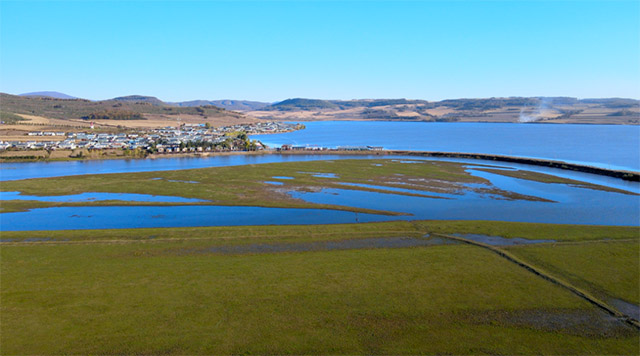
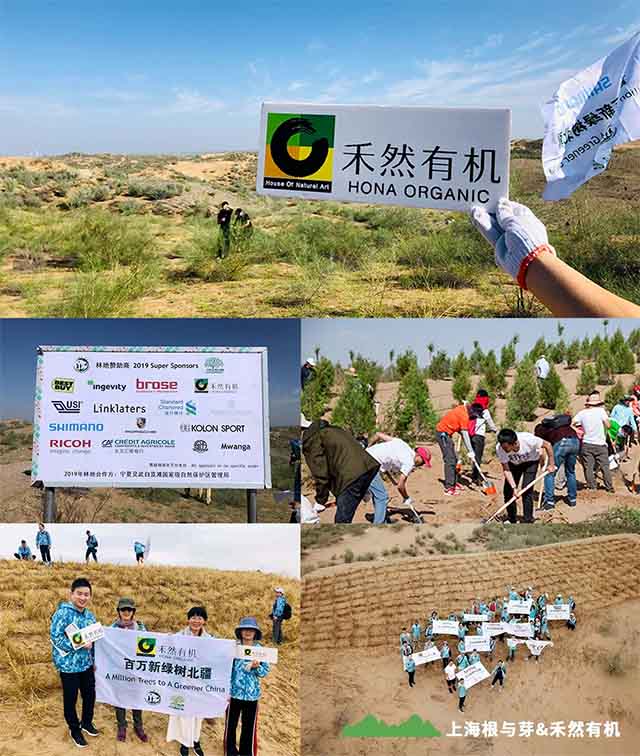
Hona Organic began cooperating with Shanghai Roots & Shoots with the same concept in 2017 and improving Baijitan Mu Us Desert in Ningxia. By the end of 2022, Hona Organic had planted non-commercial forest in area 152.8 mu that was about the area of 140 football fields; there were more than 30,000 shrubs. It is planned to plant 5,000 shrubs in this year. Every shrub on Mu Us Desert is planted by an united person of organic with the same belief and dream. After the "combination blow of environmental protection" was practiced, Shinho factory was successfully listed as 5th-batch green factory by National Ministry of Industry and Information in 2020. By improvement of environmental protection and energy structure adjustment, carbon emission about 17,074 tons has been reduced. This really contributes to the transformation to sustainable development.